“Play is the work of the child.”
-Maria Montessori
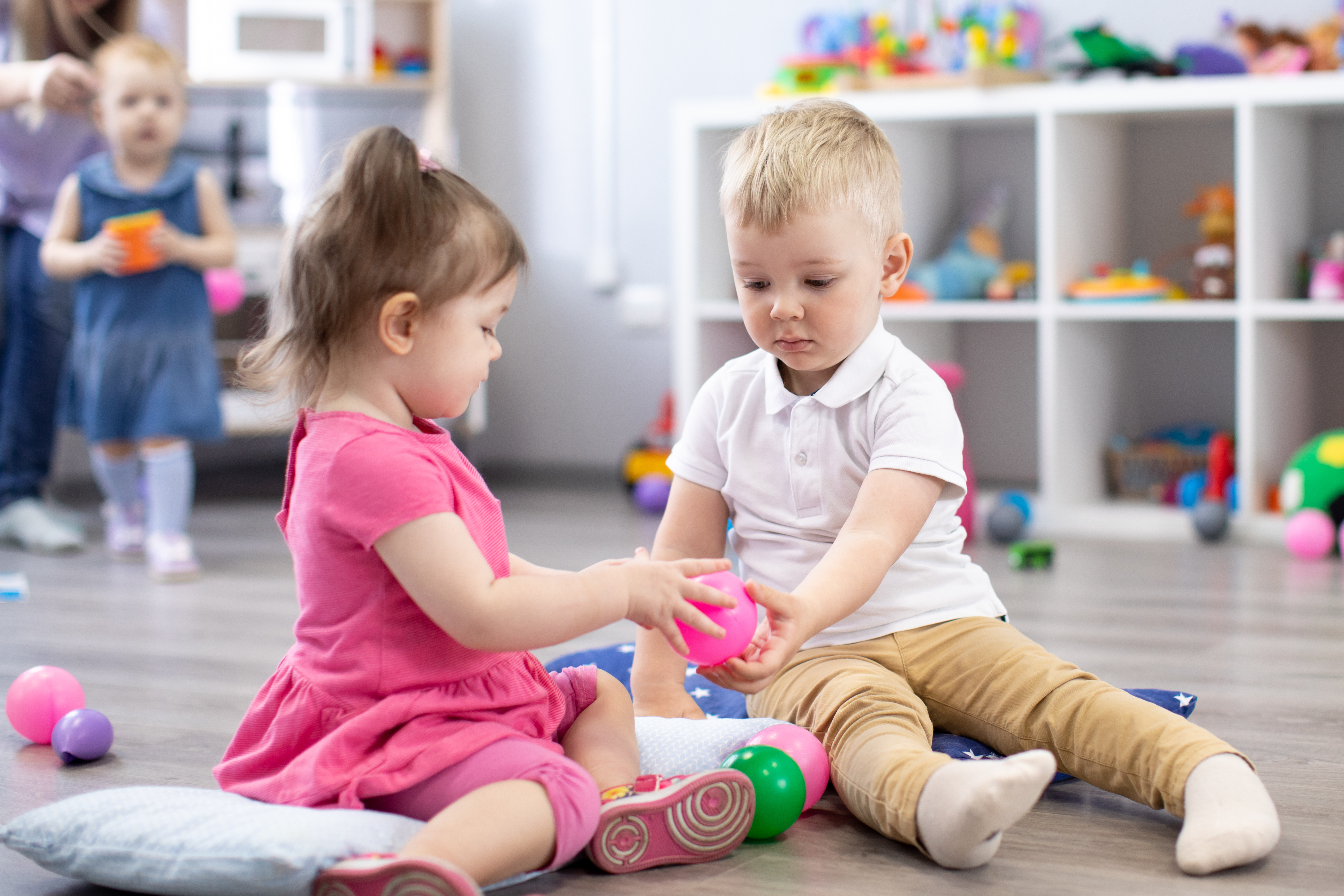
When a child (and this starts YOUNG) can naturally explore their environment by touching, tasting, manipulating objects, and understanding how things work, it promotes healthy brain function and proper physical development. A child must play and use their HANDS often, as well as all their senses, to develop positively and reach their highest potential. This is done through repetitive work, trial and error, exploration, and experimentation.
Let them PLAY! Let them use their HANDS!
Fine Motor Skills:
Support children’s play by providing a stimulating environment that will encourage exploration so your child’s little hands can grab, squeeze, tear, scoop, stir, pour, transfer
and build.
Simple ideas: Kneading playdough and squeezing clay, stringing beads, pinching cotton balls or pom poms with child tweezers (or fingers), scooping/stirring/pouring/transferring
(water, popcorn kernels, beans), stacking, sweeping, digging soil and planting seeds, coloring, cutting, tearing paper (a child may naturally want to pull the paper, instead teach
them how to tear down by using their index fingers and thumbs)
Gross Motor Skills (large muscle groups):
Obstacle Courses: Set up courses using chalk, logs, pillows, or playground equipment for climbing, crawling, and jumping.
Scavenger Hunts: Go on walks in the neighborhood or park to find specific items or colors.
Ball Games: Kick, throw, or roll balls. Play backyard bowling.
Water Play: Water balloon toss, splashing in a kiddie pool, or using a sprinkler.
Playgrounds: Utilize playground equipment for swinging, sliding, and climbing.
Biking and Scootering: Ride tricycles or scooters to develop coordination and balance.
Animal Parades: March, jog, or skip like different animals.
Balloons: Keep balloons in the air, balance them on different body parts, play balloon
volleyball, or toss balloon up and catch it on a paper plate.
Action Songs: Sing classic action songs with movements that involve large muscle groups.
Balance Beam: Use a low plank or a line of tape on the floor to practice walking and balancing.
Games: Play games like "Simon Says" or a homemade version of hopscotch.
Benefits of PLAY
Physical Development Benefits:
Dexterity & Precision: Allows for fine finger movements, like buttoning, zipping, and manipulating small objects.
Hand & Finger Strength: Builds strength needed for writing and other tasks.
Hand-Eye Coordination: Essential for aligning visual input with hand movements (e.g. cutting, writing, catching).
Bilateral Coordination: Using both hands together and crossing midline.
Coordination and Balance: Enhances coordination, making movements smoother and more efficient, which is essential for navigating the environment.
Increased Strength and Endurance: Strengthens muscles and builds a strong cardiovascular system.
Stamina and Agility: Increased confidence, control, stamina, and greater physical agility.
Cognitive and Academic Benefits:
Spatial Awareness: Children understand their bodies in relation to the space around them.
Executive Functioning: Working memory, self-control, and flexibility (when ideas change mid-build).
Problem-Solving Skills: Navigating obstacles or playing games requires precise movements and encourages critical thinking/problem-solving (when pieces don’t fit).
Brain Growth: Motor skills activate multiple brain areas, stimulate neural pathways, and promote overall brain growth and development.
Memory & Attention: Concentration and staying focused on a project.
Math Thinking: Symmetry, size, position, and balance
Language Skills: Improves literacy when reading aloud, sharing stories and acting them out, asking questions, and practicing back-and-forth conversations.
Cause & Effect: Play helps a young child understand the concept that their actions directly lead to a specific outcome. Essentially, learning that “If I do this, then that will
happen.” This concept allows young children to feel like they can influence their surroundings. It also allows them to predict what will happen next.
Social and Emotional Benefits:
Increased Confidence and Self-Esteem: Mastering physical tasks and challenges boosts self-esteem and confidence.
Independence: Play fosters physical independence, enabling individuals to engage more actively and explore the world around them with confidence.
Communication and Cooperation: Learning to take turns, cooperate, and communicate
effectively.
Social-Emotional Development: Play enables children to interact with others, practice
social skills, learn about social norms,